Five Rejections That Built a Studio: The Work That Exists Because Someone Said No
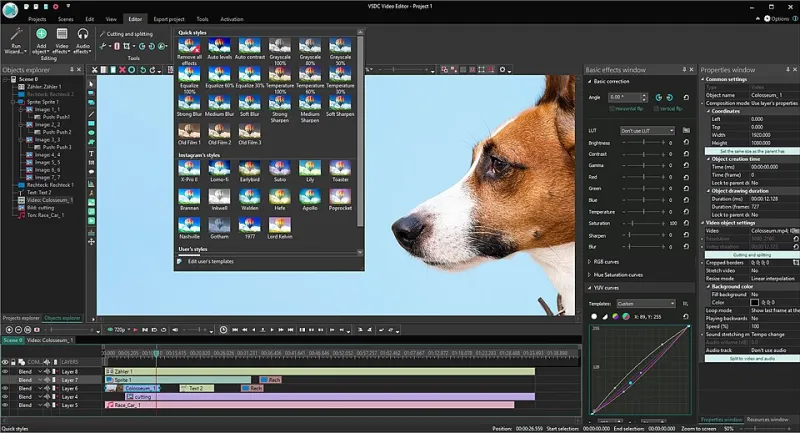
Photo: Fever Dream, CC BY-SA 4.0, via Wikimedia Commons
The Portfolio You Don't Show
Every studio keeps two portfolios. One lives on the website, polished and proud. The other lives in the memory of the team — the projects that missed, the emails that stung, the client who looked at a finished cut and said, flatly, "We hate it."
At Goyal's Studio, we've stopped pretending the second portfolio doesn't matter. In truth, it built the first one. Here are five pieces of work that only exist because someone, at some point, hated what they saw.
1. The Restaurant Reel That Taught Us Silence
Our first food-adjacent video was, by every technical measure, competent. It was also unwatchable. The client's feedback was one sentence: "It feels like a sales pitch with noodles."
The rebuild stripped out the voiceover entirely. What remained was steam, hands, and sound design — the hiss of the plancha, the pause before the plate lands. That rejection gave us a house philosophy: let the subject breathe before you narrate it. We haven't recorded a scripted VO for a hospitality client since.
2. The Corporate Interview That Was Technically Perfect and Emotionally Dead
A regional manufacturer hired us for a brand film. We delivered crisp lighting, clean framing, approved talking points. The client's CEO watched it twice and said, "I don't sound like that."
He was right. We'd directed him into performing a version of himself. The reshoot abandoned talking points for a single question and forty minutes of conversation. The final film used maybe eight percent of the footage — and it worked. Since then, our interview process starts with what we call the throwaway take: a long, off-record conversation we never intend to cut, just to find the person before we find the quote.
3. The Product Launch Nobody Finished Watching
Analytics told the story brutally: 71% drop-off in the first fifteen seconds. The opening was beautiful — a slow, cinematic reveal we were genuinely proud of. The client's marketing director didn't mince words: "Nobody's waiting for the good part."
We restructured the edit to open on the payoff and work backward. The revised cut tripled completion rates. That failure is why every brand video we deliver now has what we internally call a "first-frame obligation" — the opening three seconds must justify the next thirty.
4. The Rebrand Shoot That Was Too Pretty
A boutique fitness client rejected an entire gallery. Their words: "This looks like a hotel ad. Our gym is loud and sweaty and this looks like nobody ever breaks a sweat."
It forced an honest reckoning. Our default aesthetic — controlled, luminous, immaculate — was a style, not a strategy. The reshoot embraced motion blur, harsh gym lighting, and unretouched effort. It became some of our most shared work, and it permanently expanded what our studio considers "on-brand."
5. The Nonprofit Film That Taught Us to Shut Up and Listen
We pitched a polished, emotionally scored film for a community organization. The board rejected it before production. "These families have told their own stories for twenty years," one member said. "They don't need us narrating them."
The finished film handed the camera to the community itself — self-shot footage, their own words, minimal intervention. It remains the work we're most proud of, and it redefined our role: sometimes the studio's job is not to add vision but to remove obstacles.
What Rejection Is Actually Buying You
None of these lessons could have been learned from praise. Praise confirms; rejection redirects. The studios that last aren't the ones that avoid hearing "we hate it" — they're the ones that treat it as tuition.
Keep your rejection file. It's the most honest portfolio you own.