When Letting Go Produces Better Work: The Studio Philosophy That Puts Collaboration Above Control

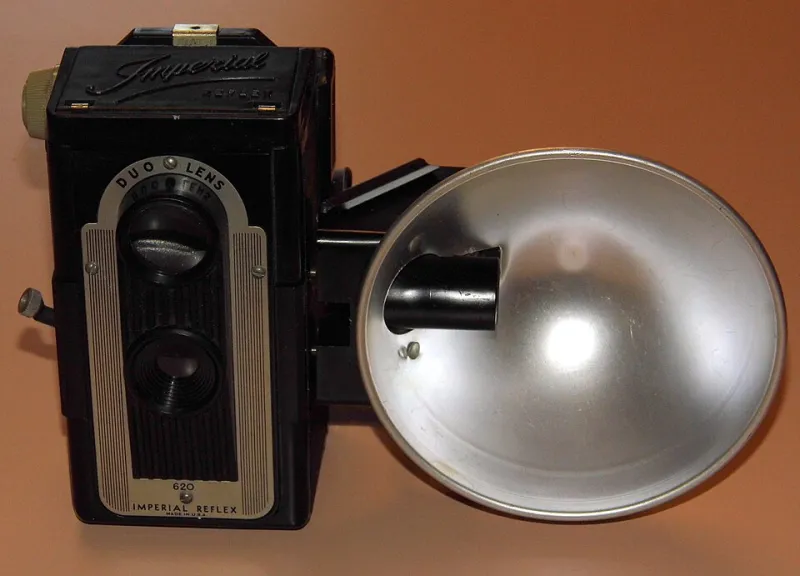
Photo: יונה קפלן, CC BY-SA 4.0, via Wikimedia Commons
The Myth of the Singular Creative Genius
For decades, the creative industry has celebrated a particular archetype: the visionary director, the untouchable photographer, the designer whose instincts must never be questioned. Hollywood romanticized it. Advertising agencies institutionalized it. And for a long time, clients accepted it — sometimes to their detriment.
But something has shifted. The studios earning the most respect in today's market are not the ones with the loudest creative egos. They are the ones that have mastered a far more nuanced discipline: knowing precisely when to assert expertise and when to genuinely defer to the people sitting across the table.
At Goyal's Studio, this philosophy is not a compromise. It is a competitive advantage.
What Clients Actually Bring to the Table
When a brand approaches a creative studio, it arrives carrying something no photographer or director can manufacture — intimate, irreplaceable knowledge of its own audience, culture, and story. A founder who has spent seven years building a company understands the emotional texture of that brand in ways that no brief can fully capture.
The traditional studio model often treats this knowledge as noise to be filtered. The more productive model treats it as raw material.
Consider a commercial photography engagement where a regional food brand came to a studio with strong opinions about how its product should be framed. The instinct of any classically trained photographer might be to redirect — to apply compositional authority and produce something technically superior. But when the studio team paused and asked why the client kept returning to a particular angle, the answer revealed something critical: that specific perspective mirrored the way customers actually viewed the product on a restaurant table. It was the perspective of a diner, not a critic.
The resulting images were more technically refined than the client envisioned, but they were also emotionally accurate in a way the studio could not have achieved alone. Sales materials built around those photographs outperformed previous campaigns by a significant margin.
The Trust Architecture of High-Performing Creative Partnerships
What separates studios that consistently produce exceptional work from those that produce merely competent work is not raw talent. It is the structure of trust they build before a single frame is captured.
This trust architecture has several components worth examining closely.
Transparency in the creative process. When clients understand why a studio makes specific choices — why a particular lighting setup serves the brand's emotional goals, or why a certain editing rhythm reinforces a campaign's message — they stop second-guessing and start contributing. They become collaborators rather than approvers.
Structured space for client input. The most effective studios do not invite open-ended client feedback at every stage, which can create chaos. Instead, they build deliberate checkpoints where client knowledge is actively solicited. This is not a concession to indecision. It is a recognition that the right input at the right moment produces better outcomes than creative isolation.
The discipline of the follow-up question. When a client expresses dissatisfaction with a direction, the reflexive response is to defend the creative rationale. The more productive response is to ask what specifically feels misaligned. More often than not, that question surfaces a piece of contextual information that was never shared in the original brief — and that information changes everything.
Surrendering the Auteur Mindset Without Surrendering Standards
It is worth being precise about what this collaborative philosophy does not mean. It does not mean that studios should abdicate creative leadership or allow uninformed preferences to override professional judgment. A client who insists on a visual choice that will objectively undermine their campaign's effectiveness deserves honest, direct counsel — not passive agreement.
The distinction lies in the difference between creative standards and creative ego. Standards are non-negotiable: composition, lighting, technical execution, narrative coherence. Ego is the assumption that the studio's initial instinct is always superior to the client's lived experience of their own brand.
The studios that have internalized this distinction are the ones clients return to. Not because they are the most accommodating, but because they are the most trustworthy. There is a meaningful difference between a studio that tells clients what they want to hear and one that listens carefully enough to tell them something true.
A Case for Structured Creative Humility
The language of creative humility can sound passive, even self-diminishing. In practice, it requires a specific kind of confidence — the confidence to hold space for another perspective without feeling threatened by it.
When Goyal's Studio approaches a new client engagement, the first conversations are rarely about visual direction. They are about context. What does this brand mean to the people who built it? What does it mean to the customers who rely on it? What has been tried before, and what did the data reveal?
Those conversations shape every subsequent creative decision. They are not a formality. They are the foundation.
The paradox at the center of this philosophy is genuinely counterintuitive: the studios willing to release the tightest grip on creative control tend to produce the most distinctly original work. Because they are not filtering everything through a single sensibility. They are synthesizing something more complex, more specific, and ultimately more resonant.
What This Means for Brands Seeking Creative Partners
For any brand evaluating creative studios, this perspective offers a useful filter. Ask not only about a studio's portfolio, but about its process. How does it handle disagreement? What happens when a client's instinct conflicts with the studio's recommendation? How does it incorporate feedback without losing creative integrity?
The answers to those questions reveal more about likely outcomes than any reel or lookbook ever could.
The best creative work has never been made in isolation. It has been made in rooms where expertise and experience meet — where the professional's craft serves the client's truth, and where both parties are willing to learn something they did not walk in knowing.
That is the kind of room Goyal's Studio is always trying to build.