The Case Against the Big Gig: Why Sustainable Studios Choose Retainers Over One-Off Glory
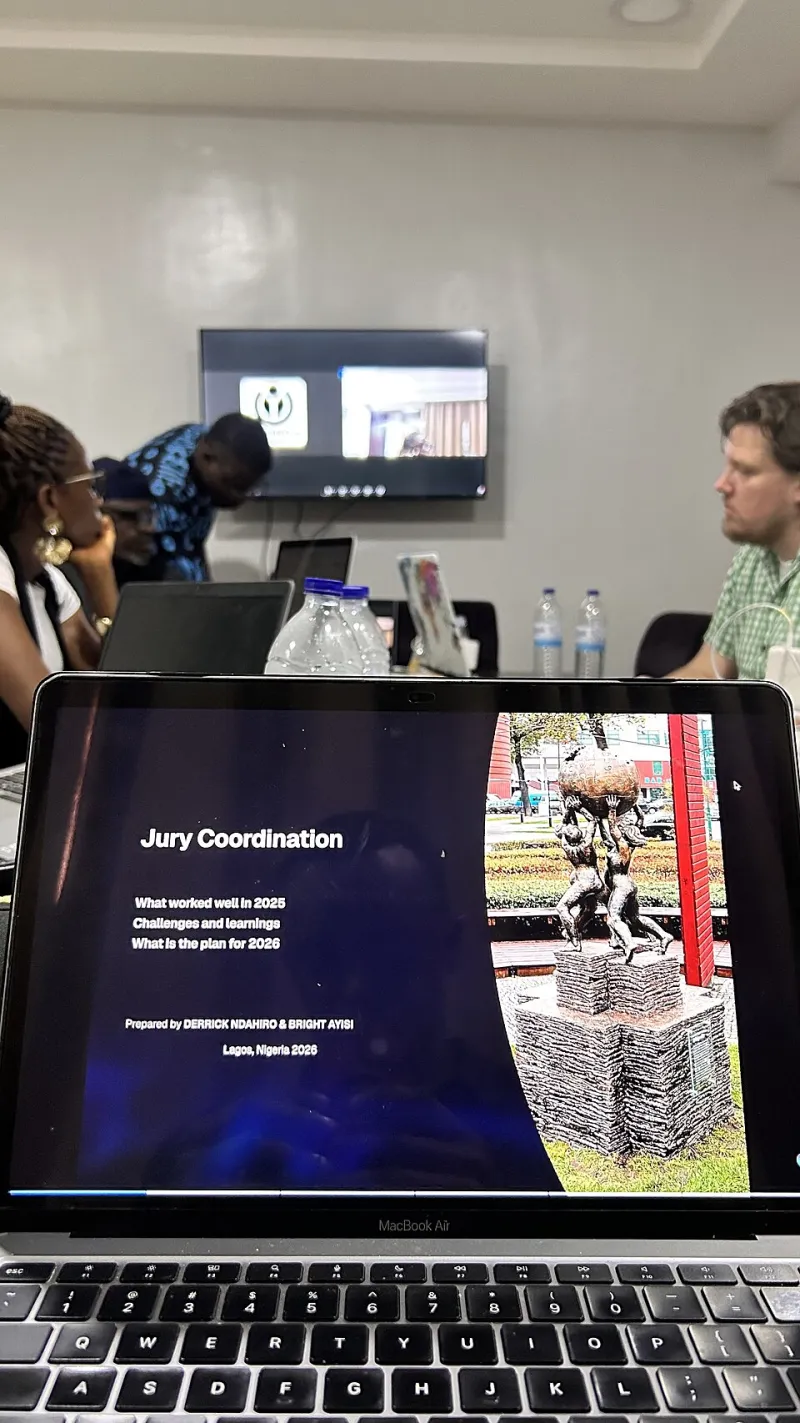
Photo: Ndahiro derrick, CC BY 4.0, via Wikimedia Commons
The Trophy Project Problem
Every independent studio in America knows the temptation. A national brand calls. The budget is real, the brief is exciting, the logo would look tremendous on the website. You clear the calendar, rally the freelancers, and pour three months into a campaign that will be seen by millions — and then it ends, and so does the revenue, and so does the team you assembled to deliver it.
I want to make an unfashionable argument: the pursuit of these projects, taken on their own terms, is quietly starving the American creative studio of the one thing it needs most — continuity.
What a One-Off Actually Costs
The economics of the single campaign are rarely examined honestly. There's the pitch time, usually unpaid. There the ramp-up: onboarding a client's brand world from zero, a cost never line-itemed but always paid. There's the post-delivery cliff, when the invoice clears and the pipeline is suddenly, catastrophically empty.
Worse, one-offs incentivize the wrong kind of excellence. A studio that lives project to project optimizes for the deliverable, not the relationship. It can't afford to push back on a bad idea, because pushing back risks the next invoice. It can't afford to experiment, because experimentation risks the deadline. The work becomes safe, and safe work is how portfolios go stale.
The Quiet Rise of the Retainer Model
Look closely at the healthiest independent studios across the US — in Chicago, Austin, Nashville, here in our own market — and you'll find a pattern that doesn't trend on LinkedIn: long-term creative partnerships. A monthly or quarterly arrangement in which the studio functions as an embedded visual department rather than a hired gun.
The retainer model changes the physics of the work in three ways.
First, it buys honesty. A partner who will be here next quarter can afford to say "that concept won't work" today. Some of the best creative direction we've ever delivered happened precisely because the relationship could survive the conversation.
Second, it compounds knowledge. By month six with a recurring client, we know their product line, their audience data, their founder's verbal tics, their legal team's sensitivities. That institutional memory is invisible on a portfolio page and decisive in the work itself. The twelfth shoot with a client is almost always better than the first — and no one-off, however prestigious, can replicate that.
Third, it stabilizes the team. Freelancers who know there's work next month come back. Crews that come back get faster and better together. Stability isn't the enemy of ambition; it's the platform it stands on.
What You Give Up — Honestly
This argument deserves its counterweight. Retainers mean saying no to some marquee names. They mean slower portfolio turnover — fewer logos, deeper work. They carry their own risk: a complacent studio can coast on a comfortable monthly check, and a client can outgrow a partner who stopped stretching.
The studios that make the model work treat retainers not as a subscription but as a standing brief — with renewal reviews, evolving creative goals, and the explicit right to be fired. The security is real, but it's earned quarterly, not assumed annually.
The Portfolio Test
Here's the experiment I'd offer any studio owner or brand marketing lead: pull up your favorite portfolio from a studio you admire. Trace the work backward. More often than not, the strongest pieces aren't the famous one-off campaigns. They're the third, fourth, or fifth project for a client the studio knows well — work made with accumulated trust, shorthand, and time.
The big gig will always glitter. But glitter doesn't pay rent in February, and it doesn't teach you anything about the client. The retainer isn't the less ambitious path. Done right, it's the only path that lets a studio do its best work more than once.